

If your knee catches, locks, or swells and rest has not settled it, you may be wondering whether a camera-guided procedure could help. Knee arthroscopy in Essex uses small incisions to look inside your joint, treat selected problems, and support a smoother return to daily life than open surgery. Learn the main benefits, who may be suitable, what recovery involves, and how to arrange a specialist assessment.
Why You Might Consider Knee Arthroscopy in Essex
Persistent knee pain or a recent knee injury can disrupt your work, sport, and sleep. You may already have tried activity modification, physiotherapy, medication, or injections. When mechanical symptoms continue, or imaging suggests a treatable structure inside your joint, your surgeon may discuss knee arthroscopy as a focused next step.
What Happens During Knee Arthroscopy
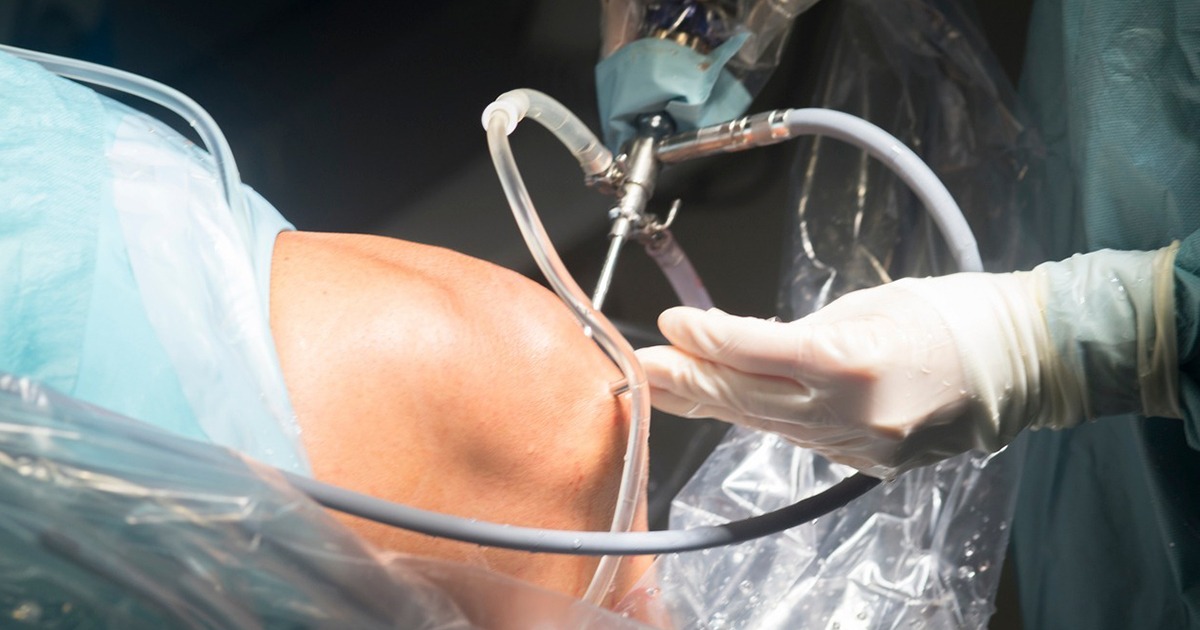
Knee arthroscopy is a form of arthroscopic surgery that uses a narrow camera (an arthroscope) and specialised instruments passed through small incisions. Sterile fluid gently opens your joint so your surgeon can inspect the cartilage, menisci, ligaments, and joint lining on a monitor, then treat selected problems in the same sitting when appropriate.
Compared with open surgery, this approach is designed to be less disruptive to surrounding tissues, which often means smaller scars, less soft-tissue trauma, and a recovery that feels more manageable. It is still real surgery, with anaesthesia (local, spinal, or general) and a clear aftercare plan, and you can often go home the same day when it is medically safe to do so.
Key Benefits of Knee Arthroscopy for Your Daily Life
The practical benefits of knee arthroscopy tend to fall into four areas.
Accurate diagnosis and targeted treatment. The camera lets your surgeon confirm what is causing your catching, locking, or swelling, then address it when indicated. Depending on your findings, that can include selected meniscal injuries, torn pieces of articular cartilage, inflamed synovial tissue, a Baker’s cyst linked to other knee problems, certain knee ligament injuries, and some selected fractures. In some cases, the procedure also supports microfracture techniques near damaged cartilage to encourage a healing response.
Minimally invasive access. For many conditions, small portals replace a large open incision. That often supports earlier mobilisation and a clearer route back to walking, work, and hobbies when your rehabilitation plan allows.
Day-case convenience. If you are suitable, going home on the day of surgery can reduce disruption, while still leaving room for crutches, a brace, or pain relief if advised.
Faster recovery than open surgery for many procedures. Your recovery still depends on what was done inside your joint, and physiotherapy is often recommended to restore motion and strengthen the muscles that support your knee.
If your symptoms began on the pitch or in the gym, reading about sports injuries and knee trauma can help you prepare questions for your consultation.
Is Knee Arthroscopy Right for Your Knee?
Arthroscopy is not a universal fix for every sore knee. It is most helpful when your symptoms point to a mechanical or selected structural problem that can be treated through the camera, or when a clear look inside will change your treatment plan. If you have widespread knee arthritis or advanced knee osteoarthritis, a different pathway may suit you better, such as non-surgical knee osteoarthritis treatment or, in severe cases, knee replacement.
Your specialist assessment usually covers your history, an examination, imaging where needed, and alternatives such as physiotherapy, injections, medication, activity changes, or surgery.
Recovery and Risks After Knee Arthroscopy
After arthroscopy, you will often leave the hospital the same day. Pain relief, elevation, and early guided exercises are common, and you may use crutches or a brace for a period. Your timeline will vary with the procedure performed.
Complications are uncommon, but risks can include bleeding in the knee, infection, stiffness, blood clots, or continuing problems. Knowing these helps you spot warning signs early.
Planning Your Knee Arthroscopy Consultation in Essex or East London
If swelling or limited mobility is holding you back, you can start with a general appointment request. If Ilford is closer to you, you can also be seen privately at Practice Plus Group Hospital on Barley Lane.
Frequently Asked Questions About Knee Arthroscopy in Essex
What is knee arthroscopy used for?
It is used to diagnose and treat selected problems inside your knee, including meniscus tears, certain ligament issues, cartilage fragments, inflamed synovium, a Baker’s cyst in relevant cases, and some fractures, depending on your findings.
Is knee arthroscopy major surgery?
It is minimally invasive and often performed as a day-case procedure through small incisions, but it still requires anaesthesia and a proper recovery plan.
How long does recovery take after knee arthroscopy in Essex?
Recovery depends on the exact procedure. You may resume lighter daily activities within weeks, while more complex repairs can take longer. Your surgeon and physiotherapist will set milestones for you.
Will I need physiotherapy after knee arthroscopy?
Physiotherapy is often recommended to help you restore strength, flexibility, and confident knee function after surgery.
What are the main risks of knee arthroscopy?
Complications are rare but can include bleeding, infection, stiffness, blood clots, or ongoing symptoms. Your surgical team will explain how these risks are reduced and monitored.
Take the Next Step Toward Knee Arthroscopy in Essex
If catching, locking, or stubborn swelling is limiting your life, a specialist assessment can show whether camera-guided treatment fits your situation. You can request an appointment online, read more about how knee arthroscopy works, or find the hospital nearest to you in Essex or East London.
Mr Nurul Ahad is a Consultant Orthopaedic Surgeon with specialist experience in trauma & orthopaedic surgery. He graduated from Barts & The London School of Medicine & Dentistry, completed orthopaedic training across North East London & Essex, & trained at institutions including the Royal National Orthopaedic Hospital & the Royal London Hospital. He was appointed as a Consultant at Barking, Havering & Redbridge University Hospitals before joining Practice Plus Group, where he is now Medical Director at Practice Plus Group Hospital, East London.